Educational Overview of Alpine Compounds
Exploring nature-sourced elements and daily influences on men's everyday state after 40
Understanding Maturity in Men After 40
As men enter their fifth decade, various shifts occur in daily routines and overall state. These changes reflect natural biological processes and the accumulated effects of lifestyle patterns. Understanding these transitions provides context for exploring how everyday habits influence wellbeing.
Rest patterns, activity levels, and nutritional intake play significant roles in maintaining general vitality during this life stage. Environmental factors and seasonal changes also contribute to how the body responds to daily demands.
This educational resource explores the interplay between natural elements, lifestyle choices, and the biological processes that characterize maturity in men, offering factual information without medical claims.
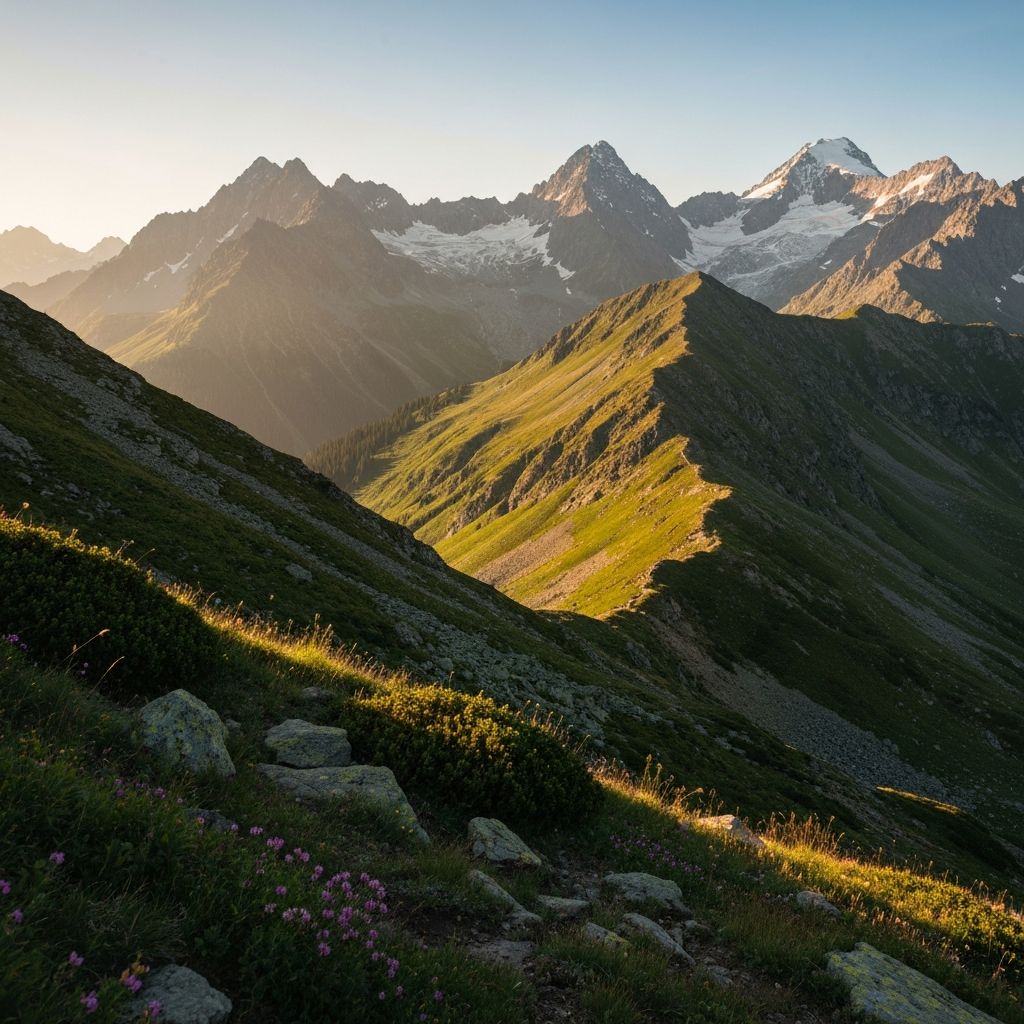
Trace Nutrient Sources in Nature
Understanding natural presence of essential elements
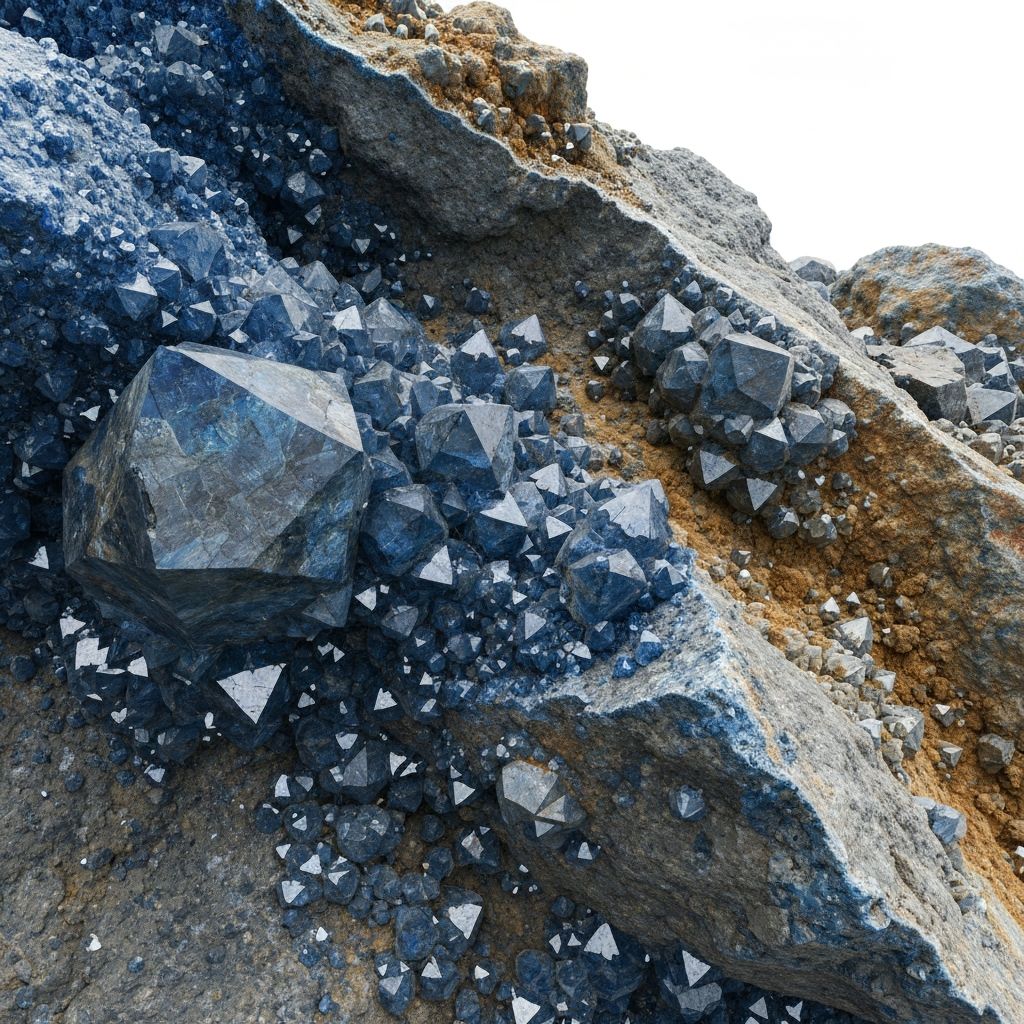
Cobalt in Natural Origins
Cobalt appears naturally in soil, water, and certain plant species. It exists as a trace element in geological formations and contributes to mineral compositions in alpine regions. Its presence in nature is a subject of geological study.
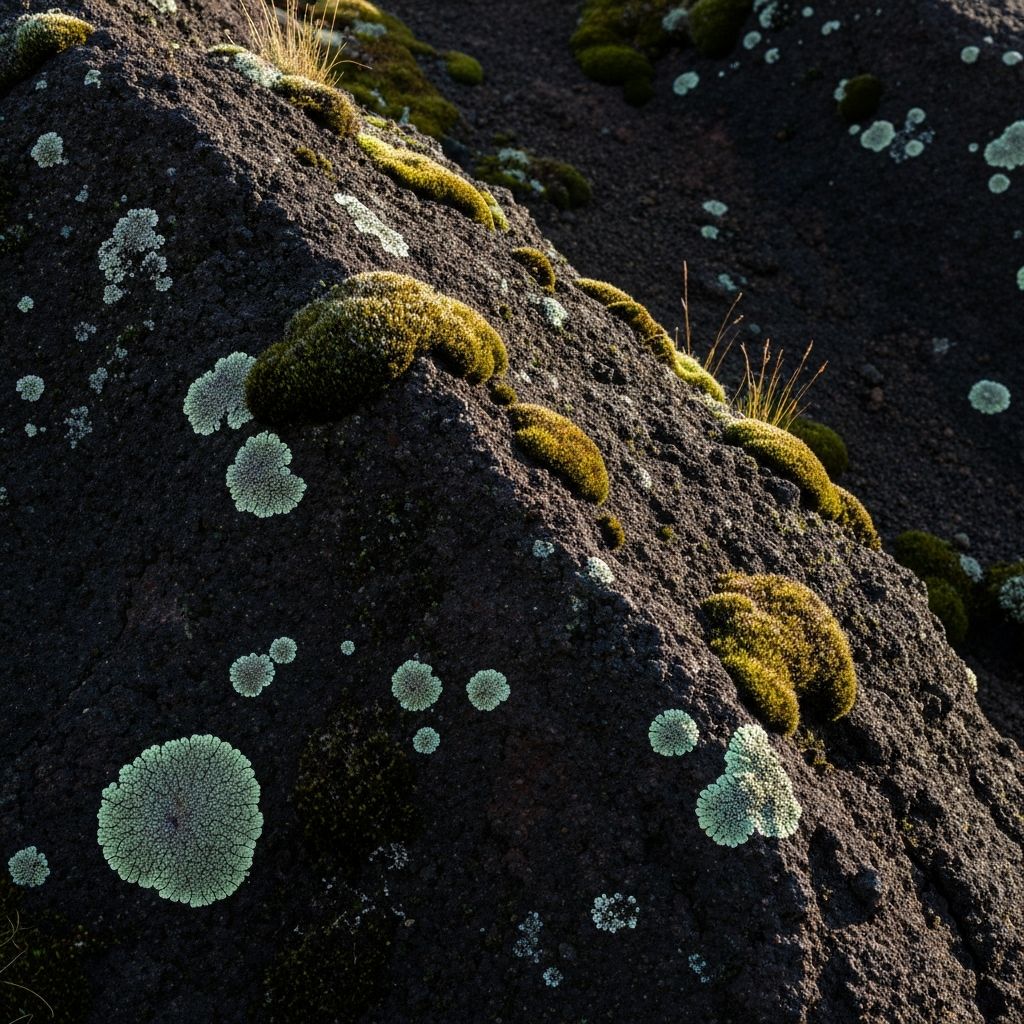
Nickel and Sulfur Sources
Both nickel and sulfur occur naturally in geological formations and soils. Mountain regions contain various mineral compositions where these elements are present. Alpine plants adapt to these diverse mineral environments through their growth patterns.
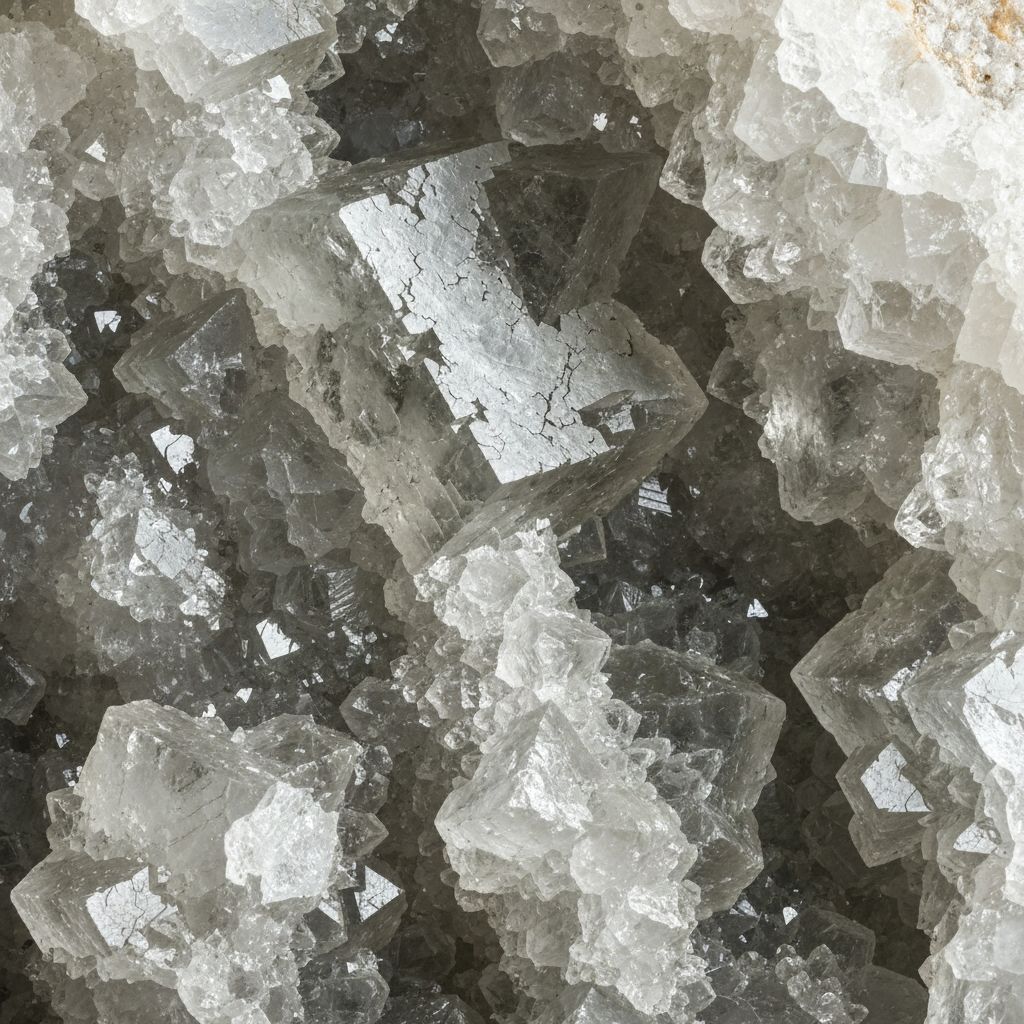
Fluorine in Minerals
Fluorine exists as a natural element in mineral formations and certain water sources. Alpine geology includes fluorine-bearing minerals that contribute to the region's unique mineral diversity. Natural water sources often contain trace amounts of fluorine.
Alpine Flora in Cultural Traditions
Alpine communities throughout Europe have long documented and observed high-altitude plant species. These botanical traditions reflect centuries of cultural knowledge about mountain vegetation and their characteristics in different seasonal contexts.
Alpine plant usage in traditional practices represents important aspects of cultural heritage. Historical records document how different cultures approached plant observation and documentation in mountainous regions.
Modern ethnobotanical studies continue to record these traditional observations, providing valuable context for understanding how past generations understood the plants in their environment.
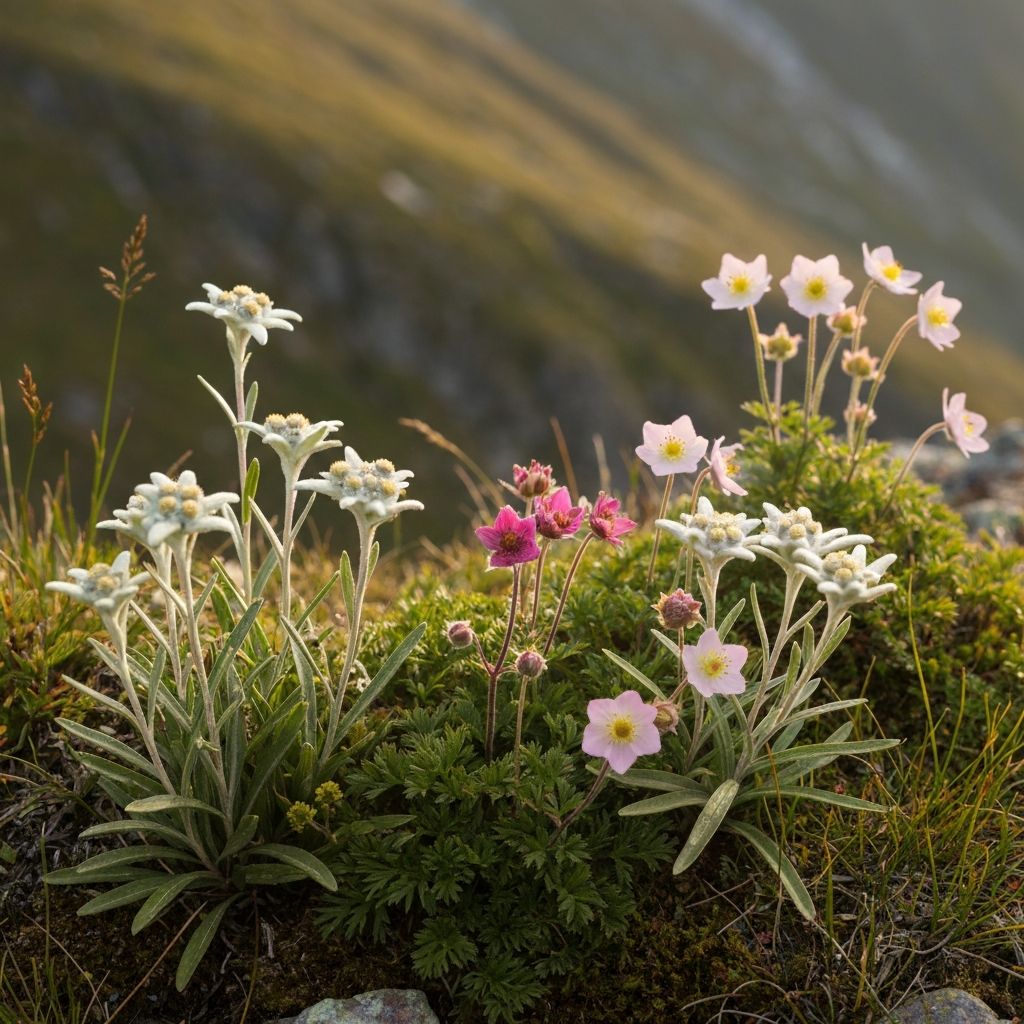
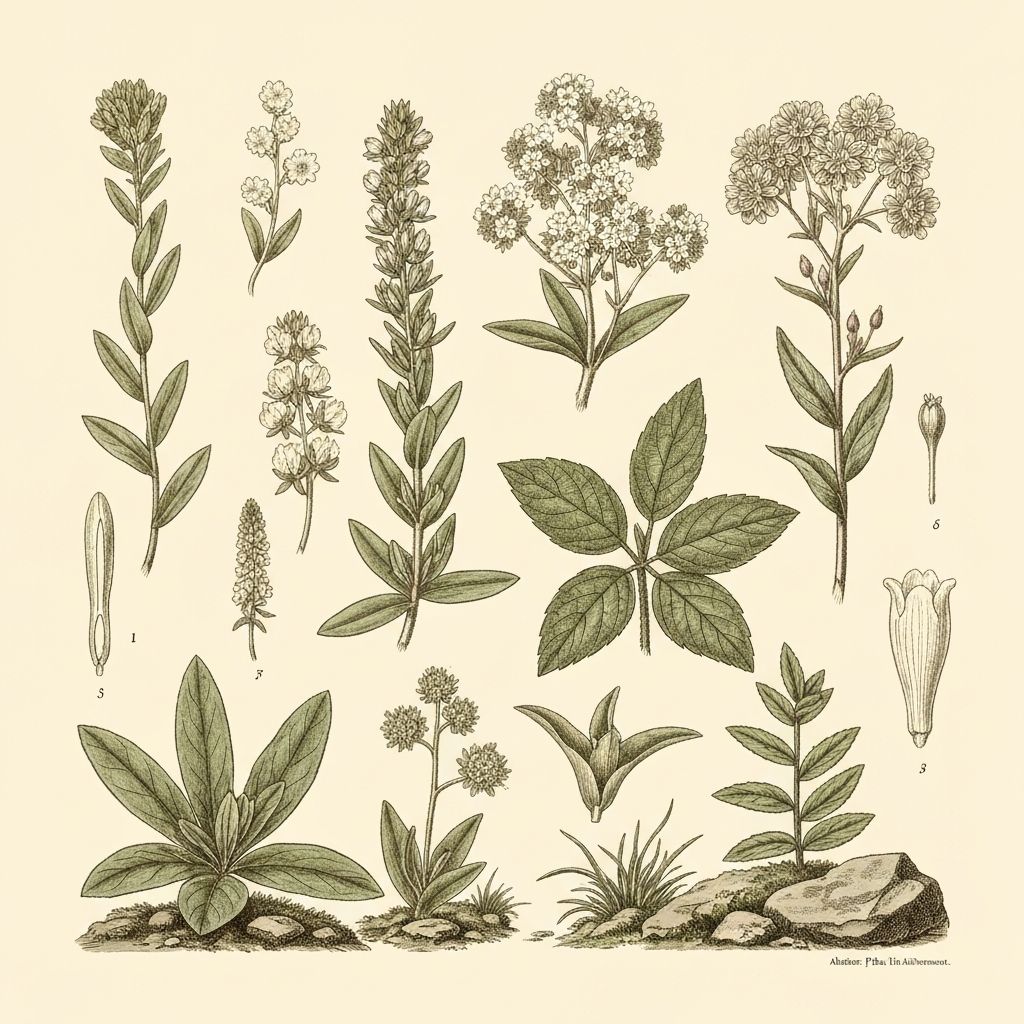
Alpine regions maintain distinctive botanical characteristics shaped by elevation, climate, and geological features. These environmental conditions create unique plant communities found nowhere else.
The study of alpine flora provides insights into how plants adapt to extreme conditions. This scientific interest complements traditional cultural knowledge about mountain ecosystems.
Rest and Recovery in Human Biology
Rest represents a fundamental biological necessity for human functioning. The sleep-wake cycle regulates numerous physiological processes essential for daily performance and long-term health maintenance.
Recovery patterns vary across individuals and life stages. Adequate rest supports cognitive function, physical restoration, and emotional regulation. Understanding rest requirements becomes particularly relevant during mature years.
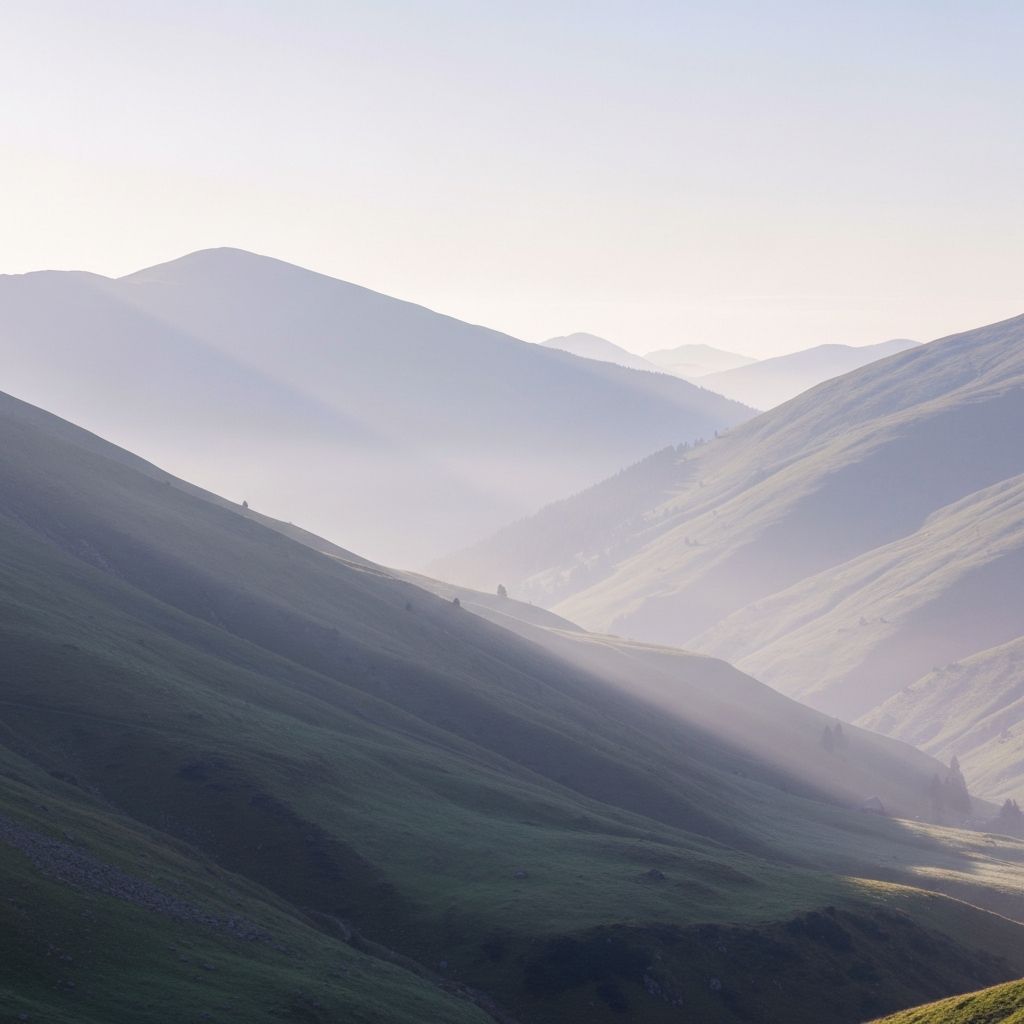
Environmental factors influence rest quality, including light exposure, temperature, and seasonal variations. Alpine regions with their distinct seasonal patterns demonstrate how geography affects natural sleep cycles.
Scientific research consistently demonstrates correlations between adequate rest and overall wellbeing, making recovery patterns a central consideration in understanding everyday state during maturity.
Movement in Elevated Landscapes
Physical activity represents an essential component of daily life across all age groups. Movement through natural terrain provides both physical exercise and environmental engagement, contributing to overall vitality.
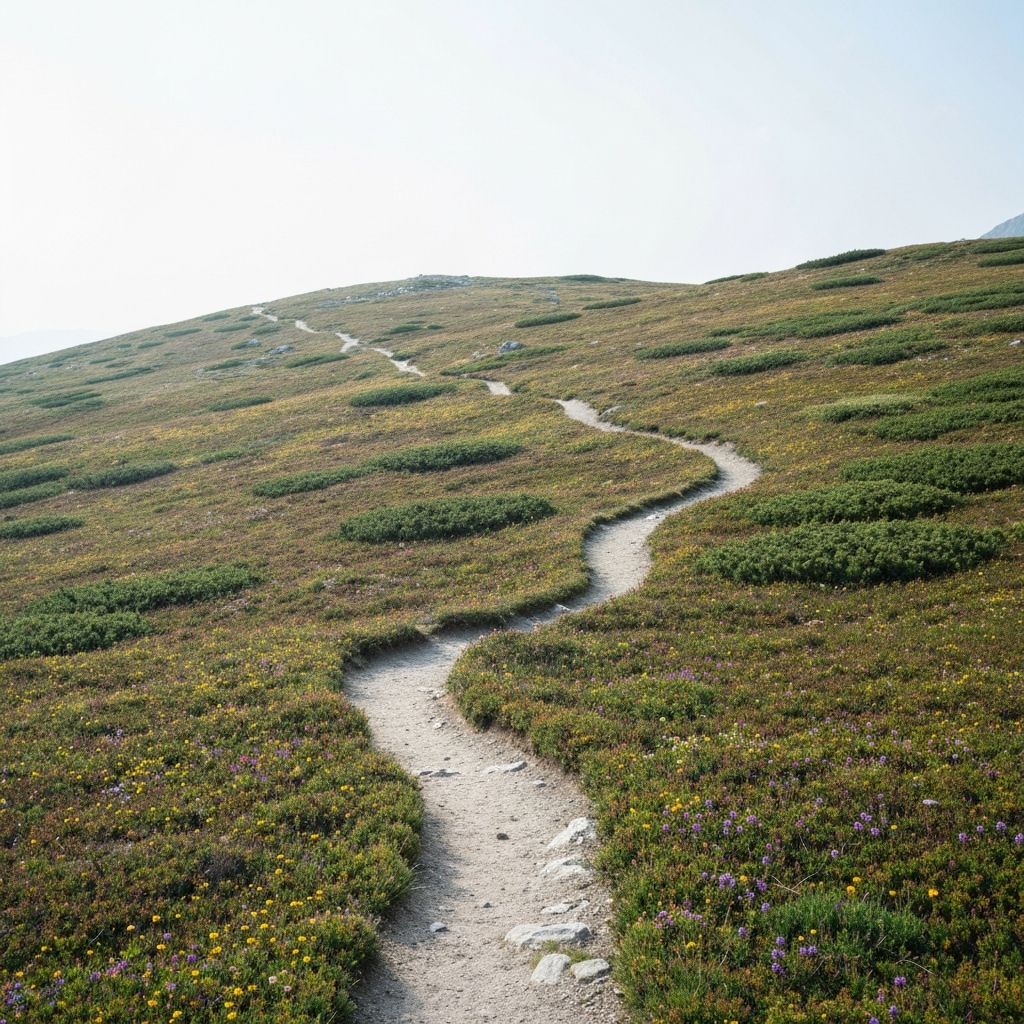
Alpine landscapes offer distinctive movement environments. Hiking and walking through mountain terrain engage muscles differently than flat terrain, requiring adaptive responses from the body.
Elevation and terrain complexity increase physical demands, providing varied stimulus for bodily systems. This diversity of movement contributes to maintenance of functional capacity during mature years.
Light movement in natural settings combines physical activity with environmental exposure, potentially influencing overall state through multiple mechanisms including fresh air, sunlight exposure, and mental engagement.
Plant Bioactive Compound Classifications
Understanding natural compound diversity in botanical species
Glycosides
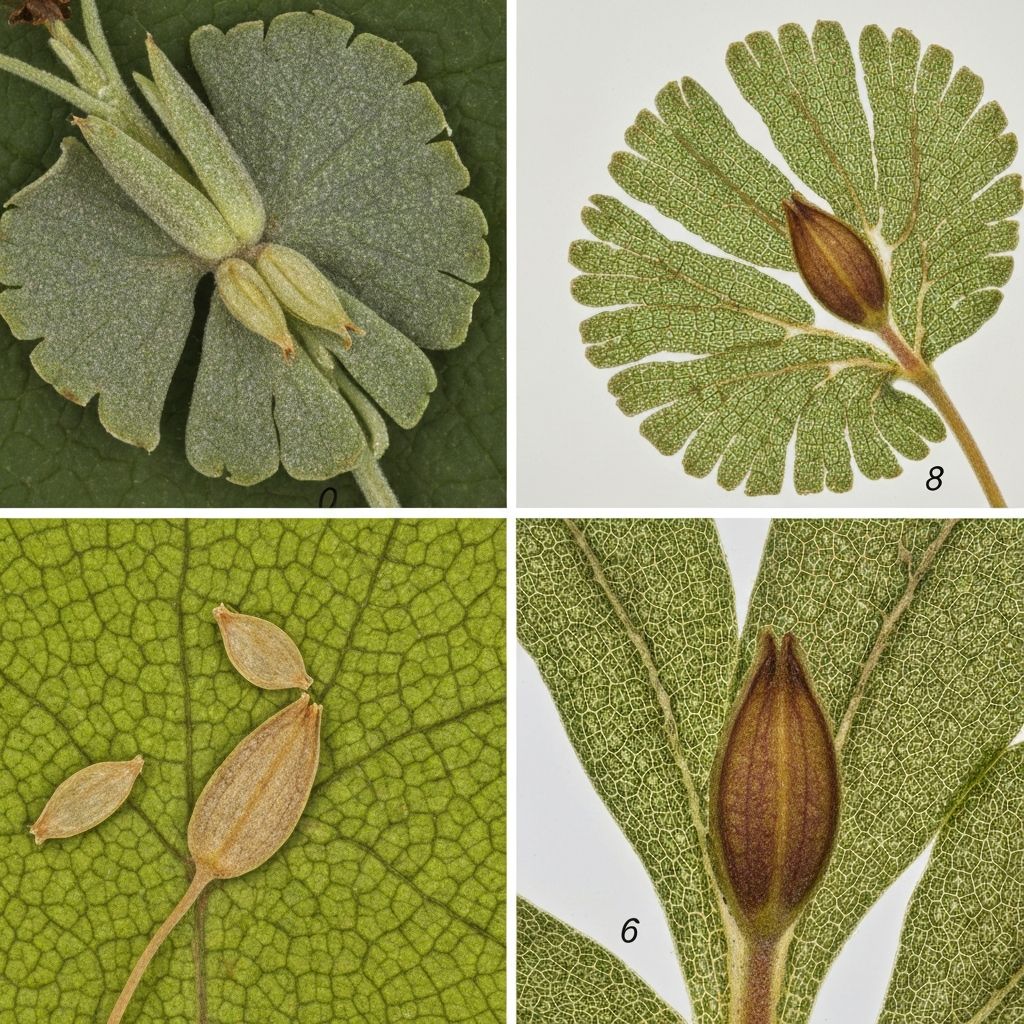
Glycosides represent organic compounds found in many plants. These molecules consist of a sugar component bonded to non-sugar elements. Plant glycosides vary widely in structure and occur throughout botanical species.
Terpenoids and Phenolic Compounds
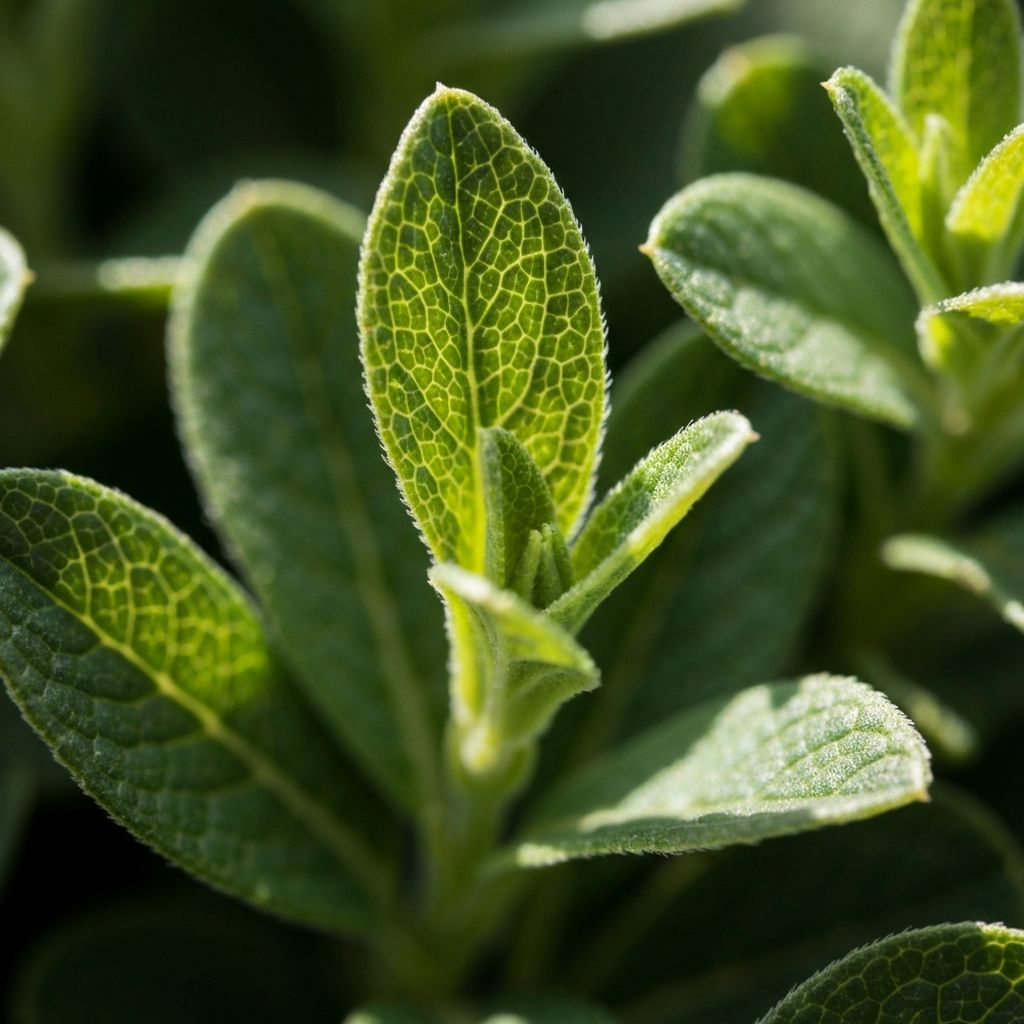
Terpenoids encompass diverse organic compounds produced by plants, contributing to plant fragrance and color. Phenolic compounds represent another major plant category. Both groups demonstrate the chemical diversity present in botanical species.
Dietary Diversity Across Different Approaches
Informational comparison of nutritional patterns
| Dietary Pattern | Primary Food Sources | Nutrient Focus | Notes |
|---|---|---|---|
| Mediterranean | Vegetables, whole grains, legumes, olive oil, fish | Omega-3 fatty acids, fiber, minerals | Emphasizes plant-based foods with moderate protein |
| Alpine Traditional | Dairy, whole grains, root vegetables, local herbs | Calcium, minerals, seasonal produce | Reflects mountain region availability patterns |
| Balanced Omnivorous | Various vegetables, proteins, whole grains, fruits | Complete amino acids, mixed micronutrients | Combines multiple food categories |
| Plant-Based | Vegetables, legumes, nuts, seeds, whole grains | Fiber, plant proteins, antioxidants | Requires attention to complete protein combinations |
Notable Alpine Plant Species
Factual overview of high-altitude vegetation
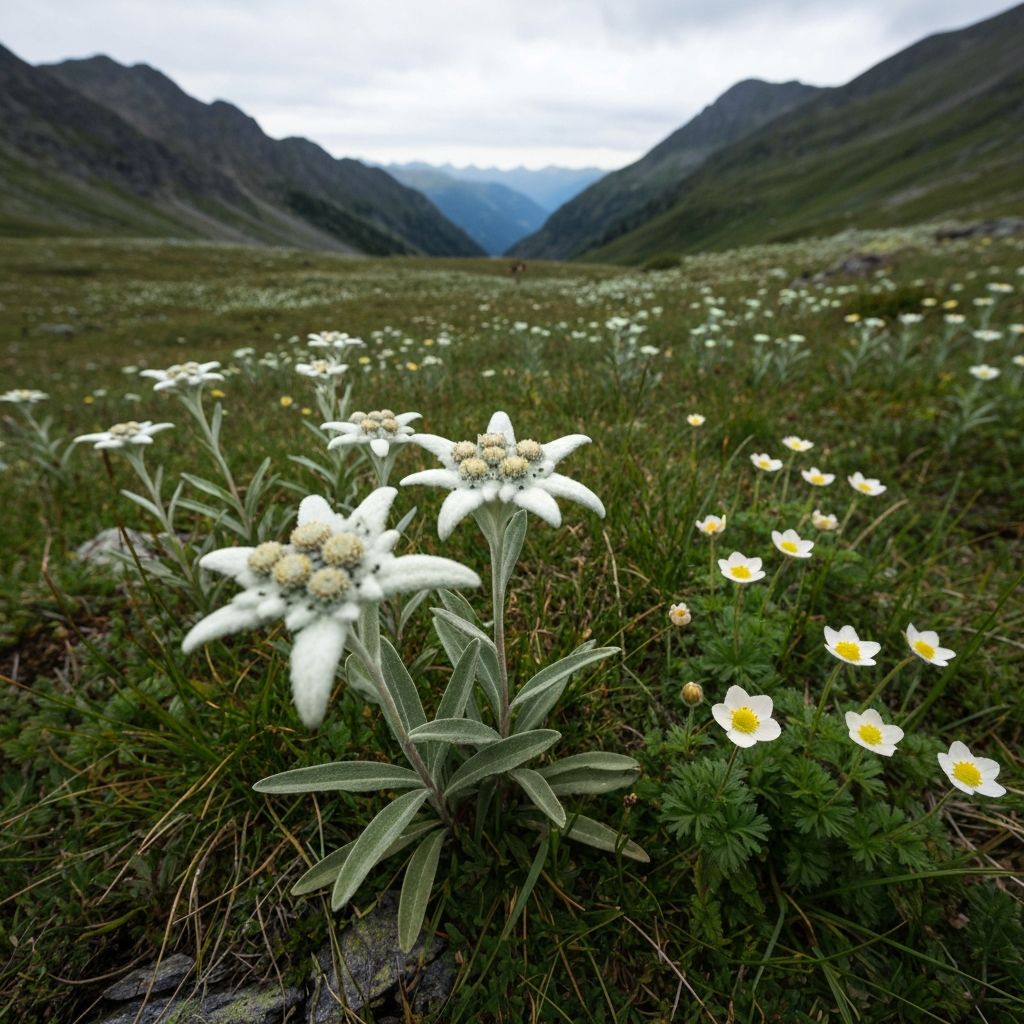
Edelweiss
A distinctive alpine flower adapted to rocky high-altitude environments. Known for woolly white appearance and cultural significance in Alpine regions.
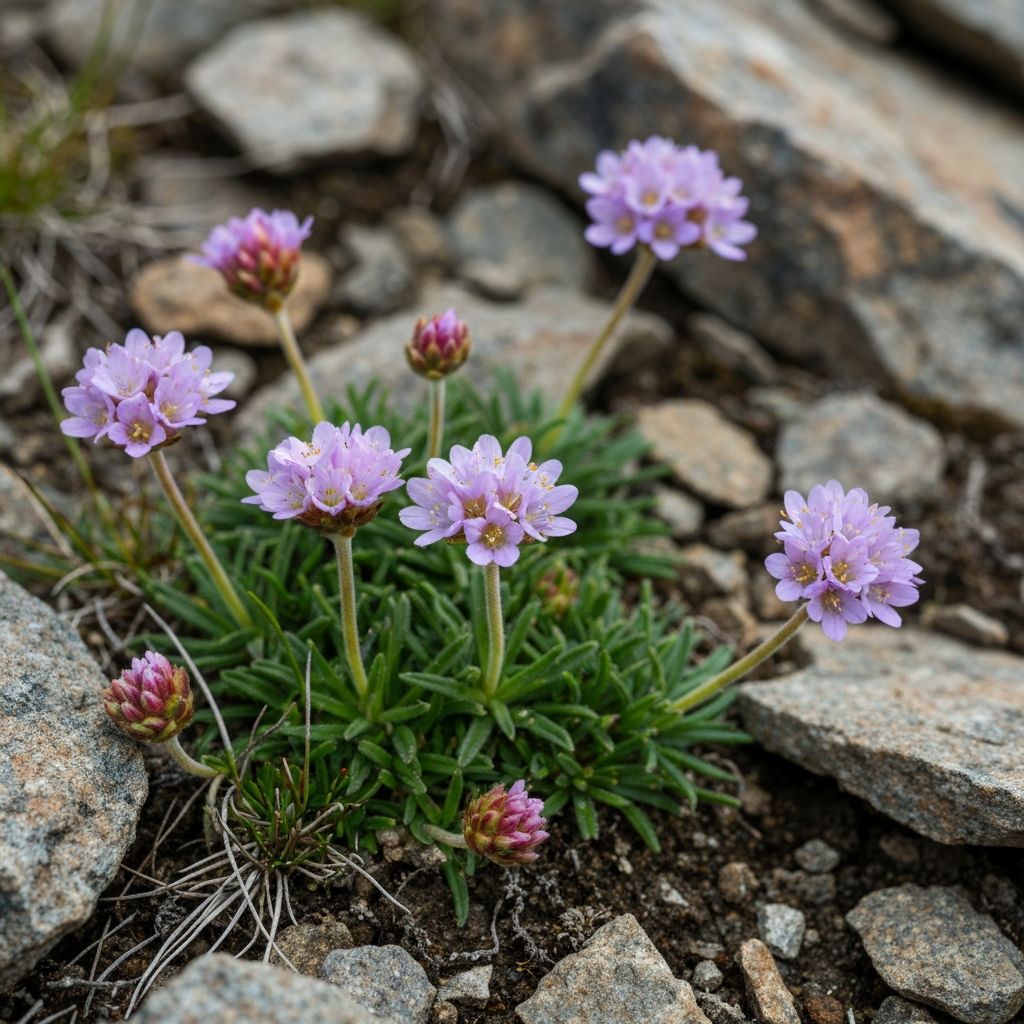
Alpine Avens & Thrift
Alpine avens displays distinctive reddish flowers in mountain meadows. Thrift forms dense cushions in rocky terrain, both representing classic alpine adaptations.
Bellflower & Saxifrage
Mountain bellflower species exhibit blue or purple flowers. Saxifrage varieties demonstrate remarkable ability to grow from rocky crevices at extreme altitudes.
Alpine Botanical Beverages in Cultural Tradition
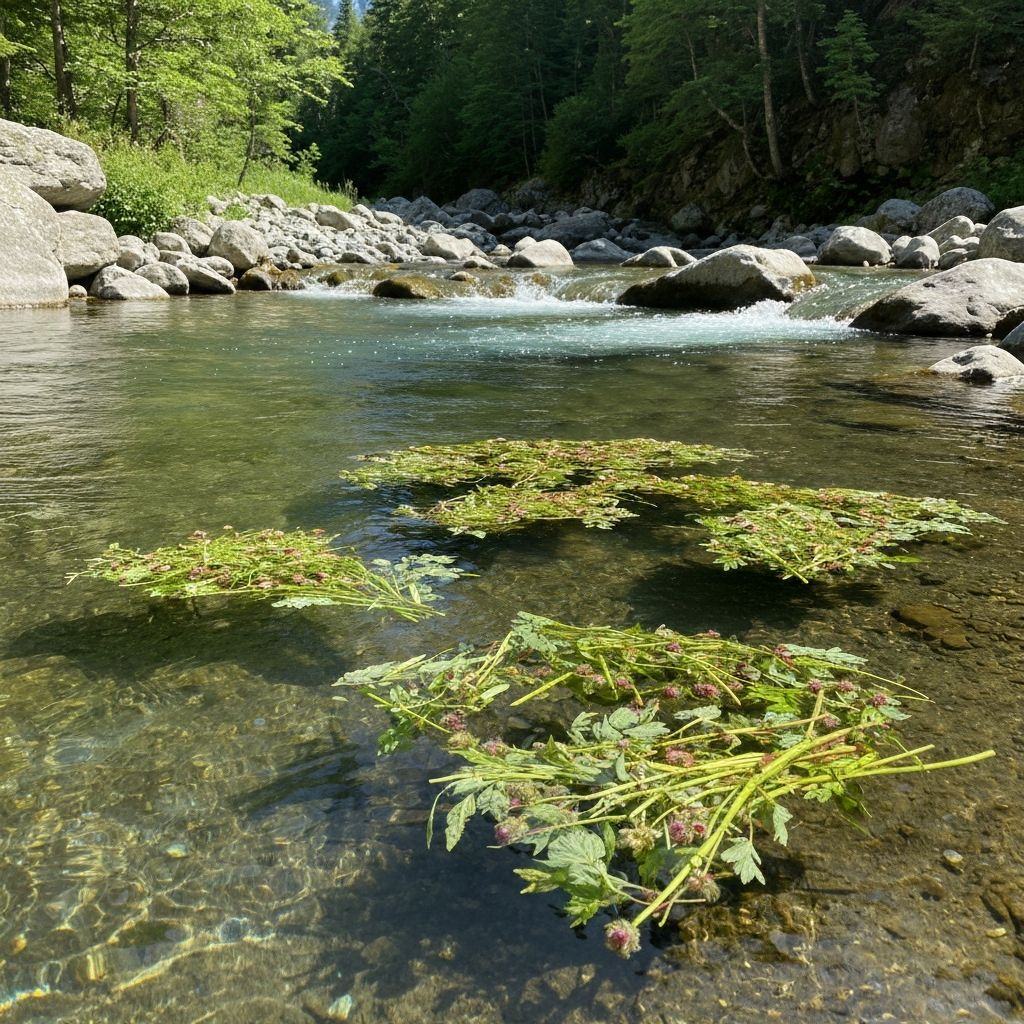
Alpine cultures have long traditions of preparing infusions from local plants combined with mountain water. These beverages represent integration of local botany with water resources unique to high-altitude regions.
Traditional preparation methods reflect cultural knowledge accumulated over generations. Different regions maintain distinct practices reflecting local plant availability and cultural preferences.
The practice of preparing plant infusions from locally sourced alpine vegetation represents sustainable use of natural resources and demonstrates cultural adaptation to mountain environments.
Modern interest in traditional beverages has led to documentation of historical preparation methods and cultural significance of these practices across different Alpine communities.
Biological Adaptation to Environmental Conditions
The human body constantly responds to environmental changes through complex biological mechanisms. Temperature fluctuations, light exposure, altitude, and seasonal variations trigger adaptive responses throughout physiological systems.
These adaptation mechanisms represent evolutionary developments refined over thousands of years. Different populations show varied adaptation patterns to distinct environmental conditions.
Alpine environments present particularly demanding conditions that trigger robust adaptive responses. Elevation affects oxygen availability, temperature ranges create thermal challenges, and extended seasonal variations influence circadian rhythms.
Understanding these adaptive mechanisms provides context for appreciating how environmental factors influence general state and daily functioning, particularly relevant for mature men maintaining activity in varied climates.
Alpine Plant Seasonal Cycles
Alpine vegetation follows distinctive seasonal patterns shaped by extreme environmental conditions. The growing season in high mountains compresses into brief periods when temperatures permit active growth, creating unique botanical cycles.
Spring Emergence
As snow melts and temperatures rise, alpine plants initiate rapid growth cycles. Species must complete flower and seed production within limited frost-free periods. Spring emergence represents critical transition from dormancy to active growth.
Summer Peak Activity
Summer months feature maximum light exposure and warmest temperatures. Plants maximize photosynthesis and reproduction during this brief window. Alpine meadows reach peak color and biodiversity during summer months.
Autumn Dormancy Preparation
As temperatures decline and day length decreases, alpine plants initiate dormancy preparations. Energy allocates to root strengthening and nutrient storage. Visible vegetation dies back while root systems survive underground.
Winter Dormancy
Winter dormancy represents survival adaptation to extreme cold. Snow coverage actually provides insulation for alpine plants. Complete dormancy allows survival until spring thaw initiates new growth cycles.
Clarification on Common Assumptions
- Natural does not automatically mean safe: Natural substances require the same careful evaluation as synthetic compounds. Natural origin does not eliminate potential for adverse effects or contraindications.
- Traditional use does not equal scientific proof: Historical use provides cultural documentation, not clinical evidence. Traditional knowledge represents valuable information that requires modern scientific verification.
- Individual responses vary significantly: Biological diversity means different people respond differently to the same substances. Factors including genetics, health status, and medications all influence individual responses.
- Correlation differs from causation: Observation of two phenomena occurring together does not establish one causes the other. Scientific research requires controlled conditions to establish causal relationships.
- No substance affects all people identically: Claims of universal effects contradict basic biological science. Individual variation represents normal biological reality, not exception.
- More information requires professional guidance: For personal health decisions, consultation with qualified healthcare providers provides essential medical perspective beyond general educational information.
Continue Your Learning Journey
Explore additional informational resources about alpine botany, nutritional foundations, and lifestyle influences on daily state during mature years.
Learn More About Alpine Compounds Read About Men's WellnessEducational Content Only
This website provides educational information about natural compounds, alpine plants, and general lifestyle factors. No promises of outcomes. This content does not constitute medical advice, and should not be relied upon for health decisions. Consult qualified healthcare providers for personal medical guidance. This information reflects general knowledge and does not replace professional medical consultation.